 |
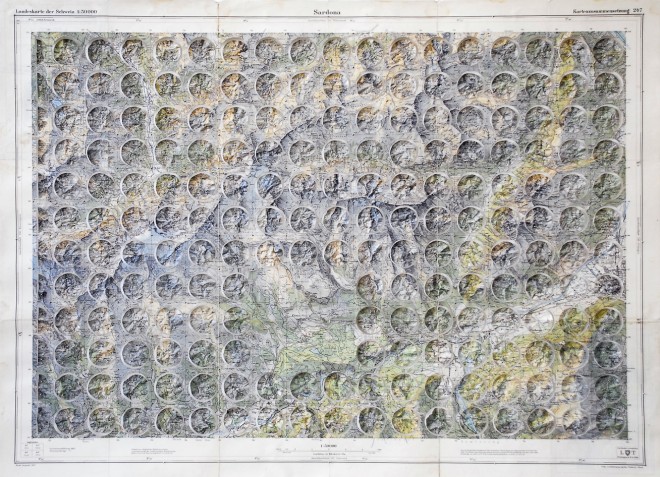
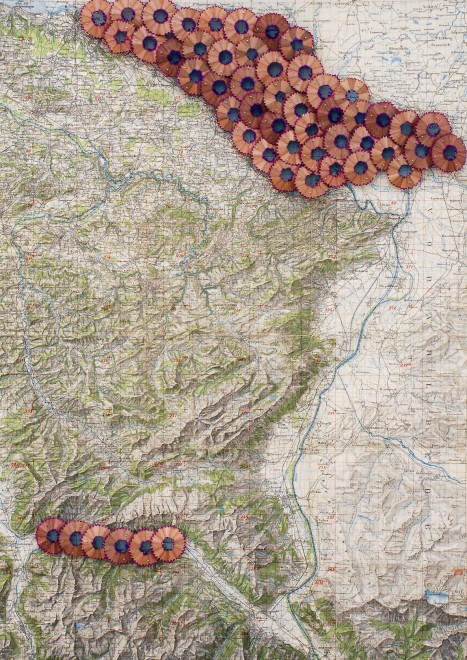
2016, map + mixed media, 60 x 80 cm, Private collection, Flims, CH
 |
 |
© andrew m. wenrick, 2016

art + architecture
|
|
|
© andrew m. wenrick, 2016
 |
 |
 |
© andrew m. wenrick, 2015
 |
 |
© andrew m. wenrick, 2014
 |
 |
 |
© andrew m. wenrick, 2014
 |
 |  |
© andrew m. wenrick, 2013
 |
© andrew m. wenrick, 2013

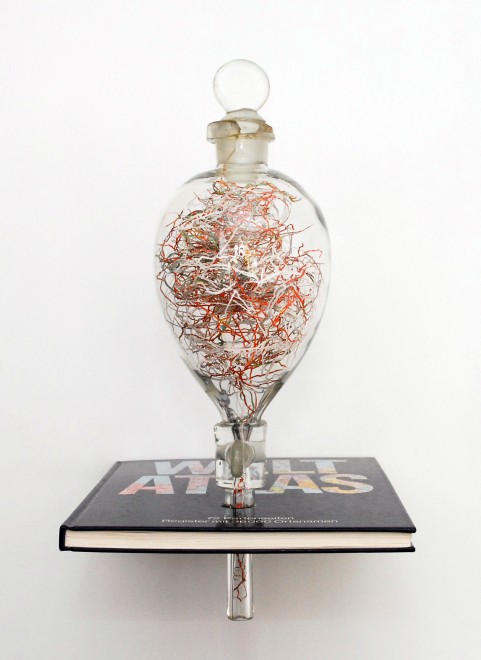 | 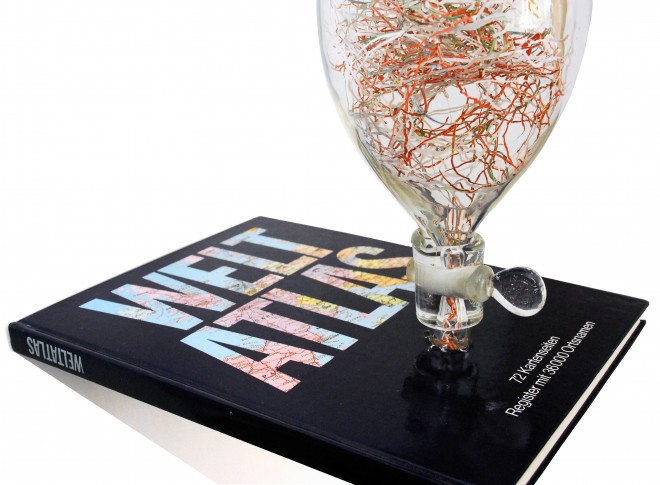 |
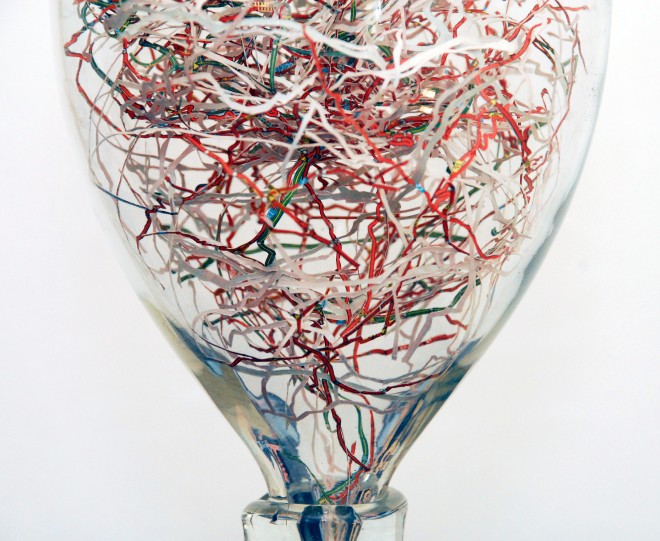
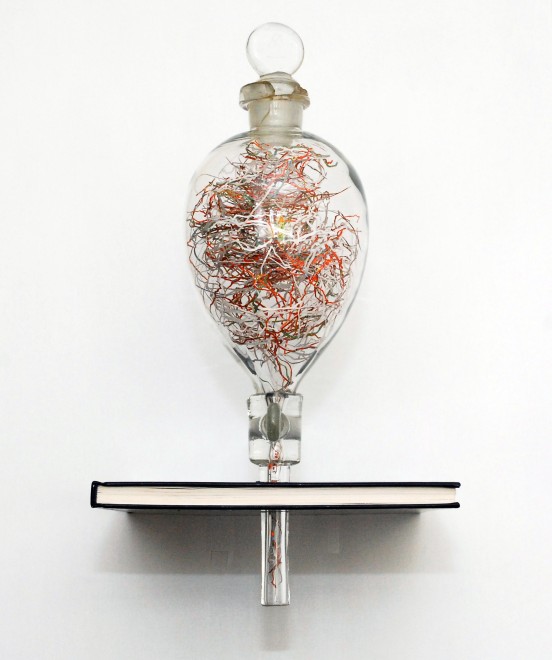
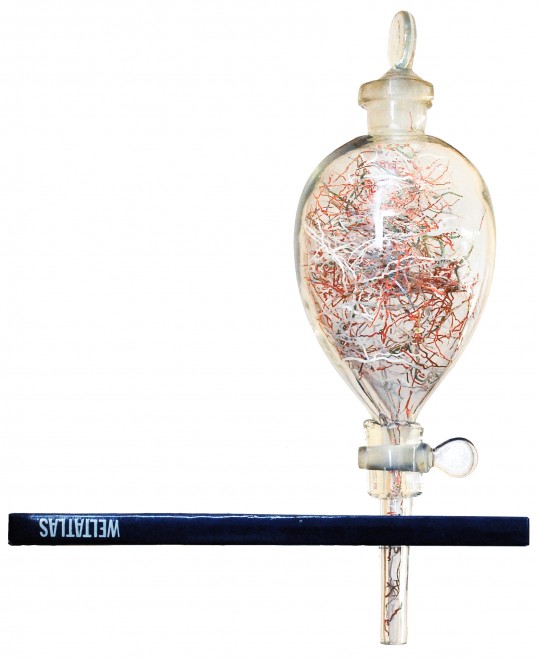
Countries are not unlike some people.
The sloping sides are designed to facilitate the identification of layers.
They strive to be independent.
The stopcock controlled outlet is designed to drain the contents out of the funnel.
Separating themselves from others.
To use, two or more elements are added through the top with the stopcock at the bottom closed.
Some to extreme isolation.
The funnel is then closed, shaken and set aside to allow for the complete separation of the elements.
It is only an experiment.
The top and bottom tap are then opened and the elements are released by gravitation.
What was once separate can again be together.
 |
 |  |
© andrew m. wenrick, 2013
 |
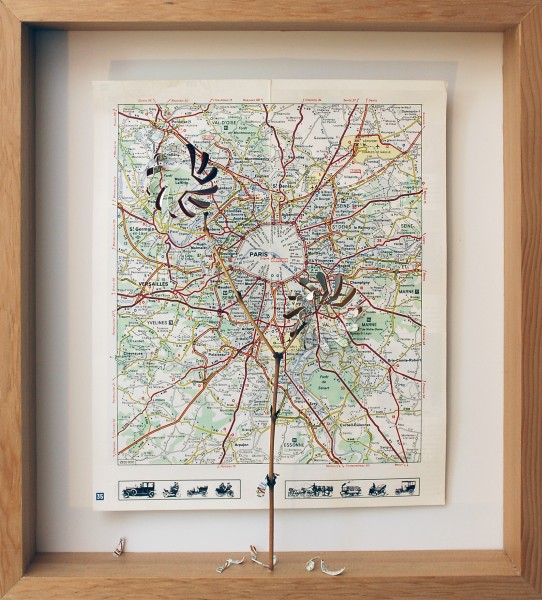 | 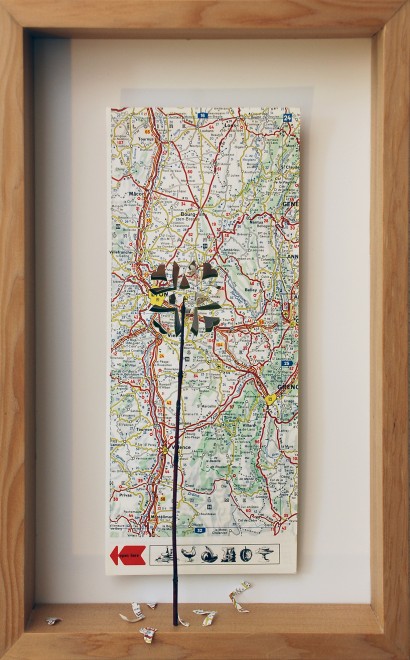 | 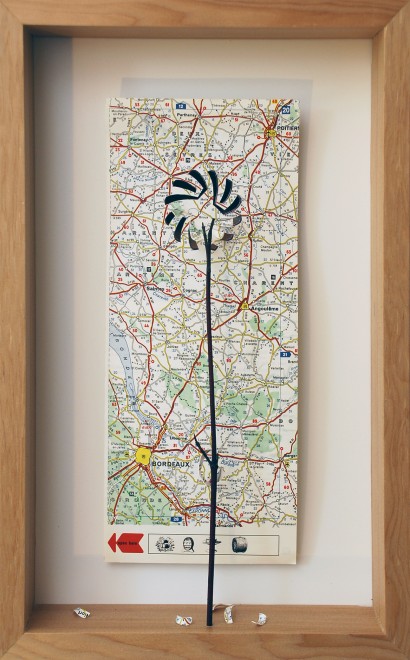 |
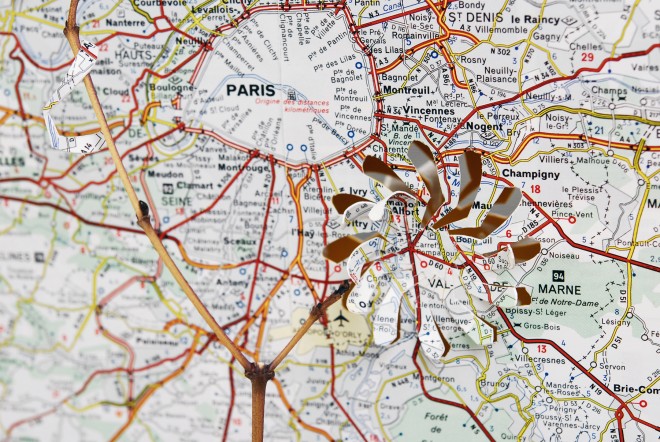
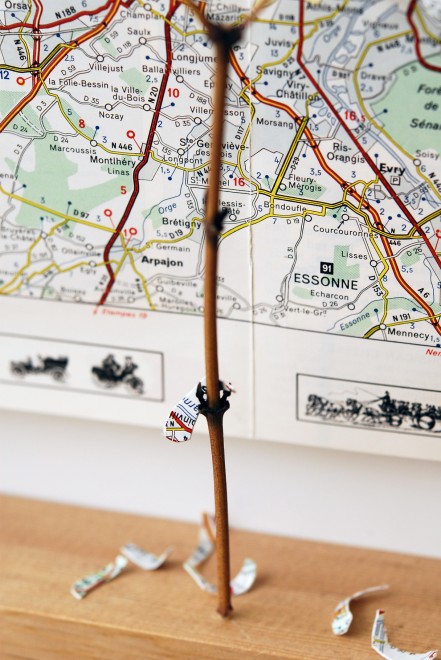
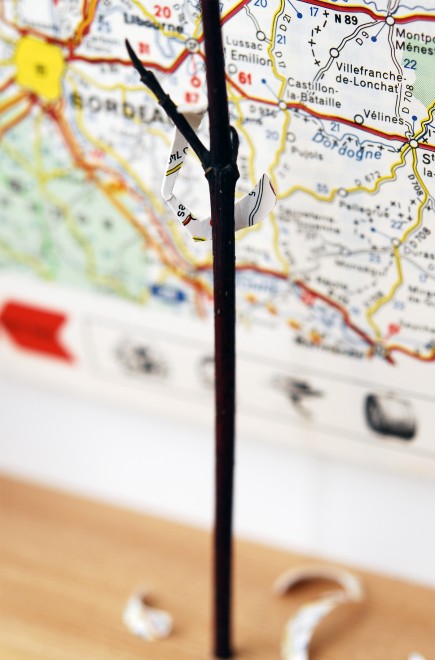
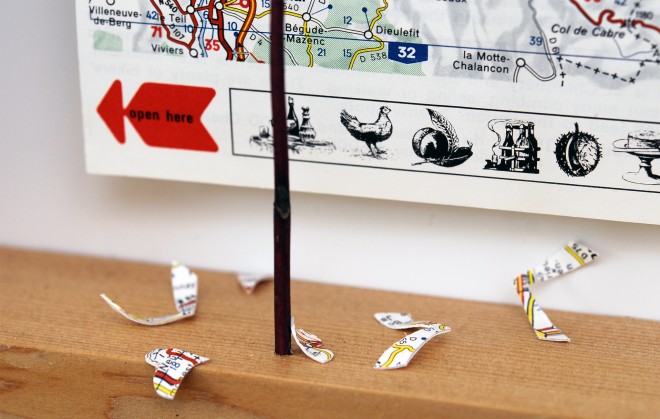
The pages of this Michelin guide, at one time, provided a round trip gastronomic adventure throughout all of France. The particular symbols at the bottom of each page unlocked the potential that lay ahead. This guidebook has circled the globe, in addition to France, as it was dispersed among faithful users. Particular destinations had blossomed with potential and now these nodes of exploration have sprouted through to completion and lay in decay.
 |  |
 |
© andrew m. wenrick, 2012
 |
 |  |  |
 |  |  |
 |  |  |
© andrew m. wenrick, 2012
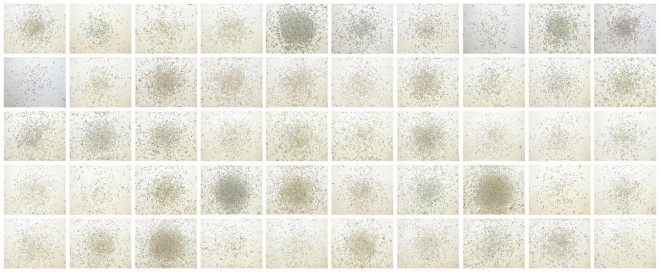 |
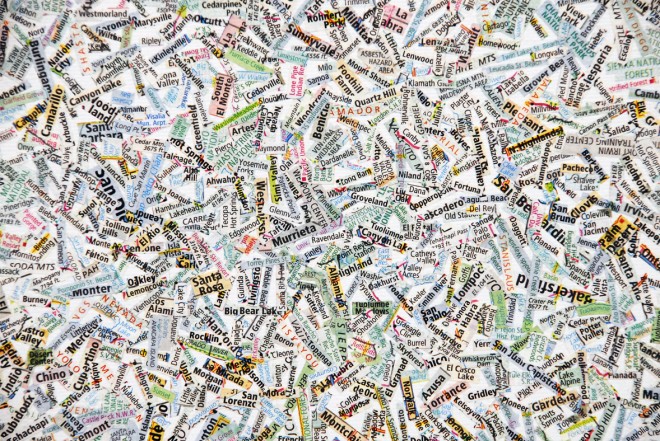
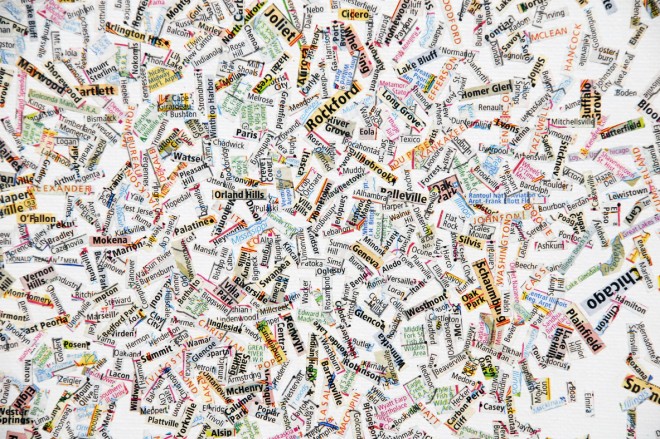
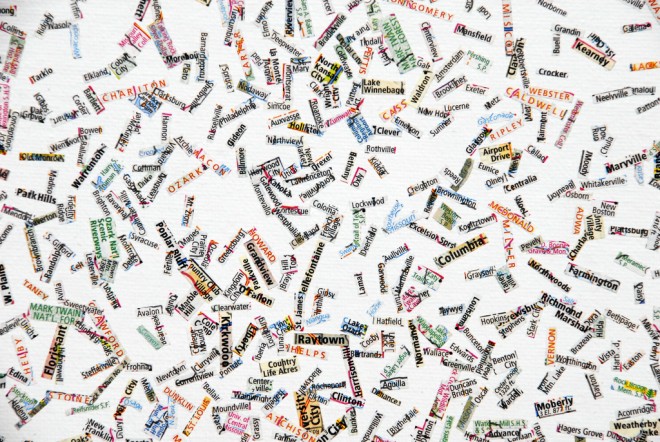
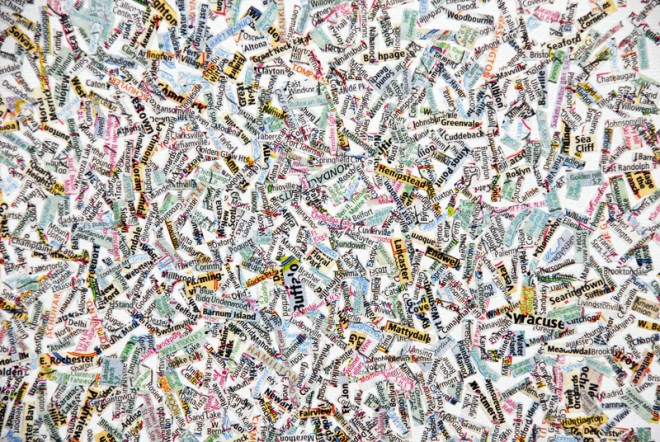
The single most quality that helps us identify geography is shape. Take those boundaries away and an ambiguity sets in blurring relationships that allow us to ground ourselves. Take everything else away and the vastness and iconic territories are distilled only to the place names held within those borders.
This piece is about taking the context out of the 50 states in America. Each territory is giving the same size canvas and on that canvas are all the places names from that State, randomly scattered. From afar, density and color is now the gauge in identifying contextual localities. Up close, the jumble of names become familiar and repetitive.
 |  |
 |  |
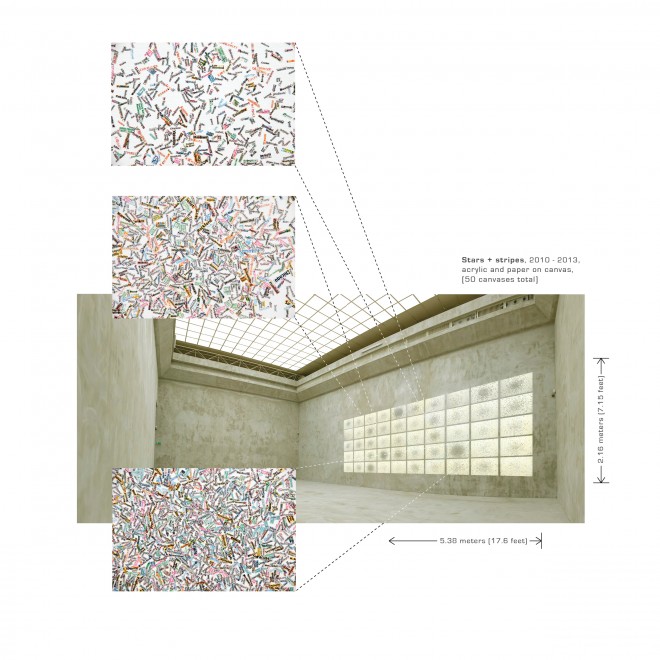 |
Stars and stripes, 2010 – 2013, proposed installation view
© andrew m. wenrick, 2010 – 2013